
01
Green: When You Can Move Forward
The three questions that tell you whether an AI use is approved, protected, and accountable.
Key questionAre we approved, protected, and accountable?
Your employees are already using AI to write customer emails, draft job posts, answer questions, and get through the day. Some of it happens on personal phones. But who in your business decides what's okay, what information stays out, and when a person needs to check the work?
Learn how to set practical AI use rules for your small business with the Green Light, Red Flag framework. Know when an AI use can proceed, what needs review, and who has authority to decide.
Watch on demand. Your AI Decision Guide is included.
Get Free Workshop Access + Decision GuideFree. Register with your first name and email.
Join Margaret Spence for a free 37-minute, on-demand workshop on AI use policy for small business. It is built for owners and the HR department of one: businesses with fewer than 200 employees, no legal team down the hall, and AI decisions that land on whoever is in the room. Learn to apply the Green Light, Red Flag framework to identify approved uses, recognize risks, and decide who has the authority to say yes.
You'll also receive an AI Decision Guide to evaluate the AI uses already happening in your business and document your next steps.
You are not the only owner asking. In a 2026 survey of Goldman Sachs 10,000 Small Businesses participants, 73% said additional training and implementation resources would help them use AI successfully. Source
The workshop includes examples from HR and nonprofit workplaces. The questions work the same in a business your size.
An AI use policy for small business sets practical rules for how owners, managers, and employees may use artificial intelligence: which tools are approved, what customer and employee information stays out, who can approve a new use, and when a person must review the work before it goes out.
If your employees use AI, yes. A short, clear policy protects customer and employee information, makes it clear who decides, and keeps each manager from setting their own rules. The U.S. Small Business Administration advises keeping sensitive information out of AI tools and having a person review AI-generated work.
Your small business does not need a 50-page AI use policy. Start by defining what is allowed, what requires review, and who decides.
The three questions that tell you whether an AI use is approved, protected, and accountable.
Key questionAre we approved, protected, and accountable?
How to spot uncertainty around authority, data, privacy, intellectual property, human oversight, and accountability.
Key questionWhat is unclear, and who needs to decide?
The situations where your team should not proceed on its own.
Key questionAre we exposed, unauthorized, or unable to defend the decision?
Sometimes the AI is not the bottleneck. The decision process is. You'll learn to ask:
The reframeA governance delay is not always a risk problem. Sometimes it is a decision-rights problem.
Apply your AI use rules to real situations: identify what needs review, who owns approval, and the next action.
You do not need a legal department to govern AI. You need clear rules and someone who decides.
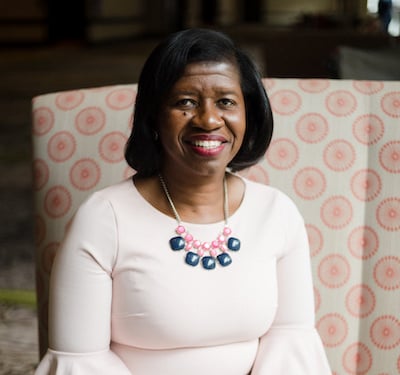
AI governance strategist, former insurance risk executive, founder of Inclusion Learning Lab, and author of When AI Breaks the Law: AI Governance for Talent Leaders.
Margaret began her business 27 years ago serving small employers. Today she translates AI risk, policy, and law into the everyday decisions owners and HR leaders make.
Free. 37 minutes. On demand. AI Decision Guide included.