
AI Governance Is Not A Technology Problem. It Is Your Next Liability Exposure.
Three state AI employment laws take effect inside one ninety day window. HR is no longer working on IT's timeline. HR is working on the law's timeline.
Three Deadlines. One Court Case. Zero Grace Period.
Most HR teams can point to a vendor contract. Few can point to a governance process that would hold up in discovery.
Three Questions Every HR Leader Is Asking Right Now
This page answers them in order. Read straight through, or jump to the one that is keeping you up tonight.
What Is AI Governance?
AI governance is the structure that makes an AI decision accountable to a human, a policy, and a record. It is not a checklist. It is not a vendor's compliance page. It is the operating system that determines who is responsible when an algorithm makes a decision that touches a person's job, pay, or opportunity.
Every governed decision answers three questions before it is made and three more after. Who reviews it. What evidence supports it. Who is accountable if it is wrong. Without those answers, you do not have AI governance. You have an algorithm running unsupervised inside a function that carries legal exposure.

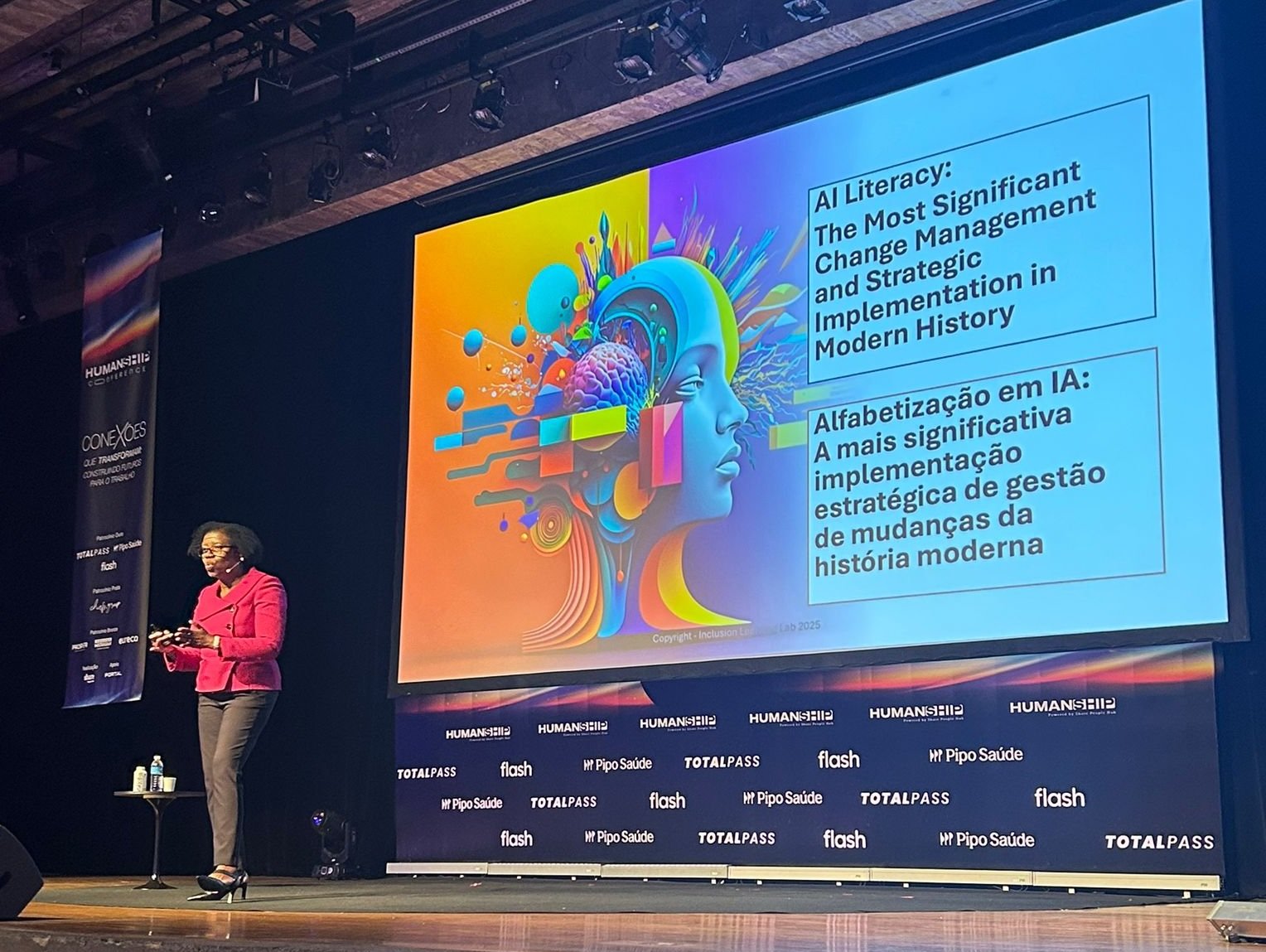
What Is AI Governance For HR?
For HR, governance applies to every tool that screens, scores, or ranks a person. Resume filters. Interview scoring software. Promotion and performance prediction models. Termination risk scores. If a system narrows who gets seen, who gets promoted, or who gets flagged, it belongs inside your governance program, whether your team built it or licensed it from a vendor.
This is where the exposure concentrates. Mobley v. Workday is still active in federal court on claims that a screening algorithm produced age based disparate impact against applicants over forty. The lawsuit did not name the vendor's engineering team as the defendant carrying the reputational weight of discovery. It named the employer.
The algorithm does not get subpoenaed. You do.
Why Do We Need AI Governance Now?
Three state AI employment laws take effect inside one ninety day window. None of them wait for your organization to be ready.
Four Ways to Learn AI Governance
Pick the entry point that matches how much time you have this week. Every path leads to the same governed outcome.
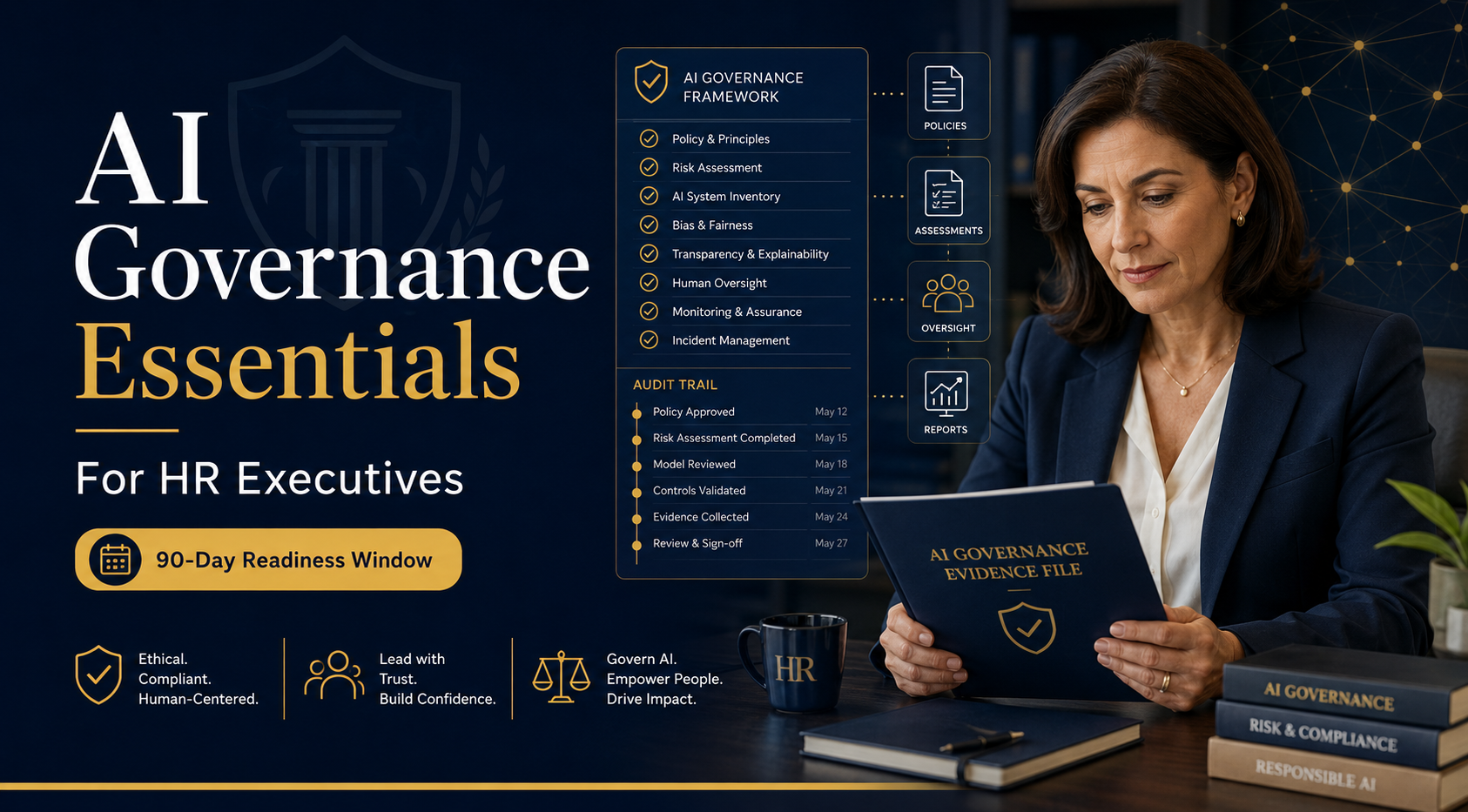
AI Governance Essentials for HR Executives
A structured course that gets your program from zero to a working inventory and review process.
Explore the course →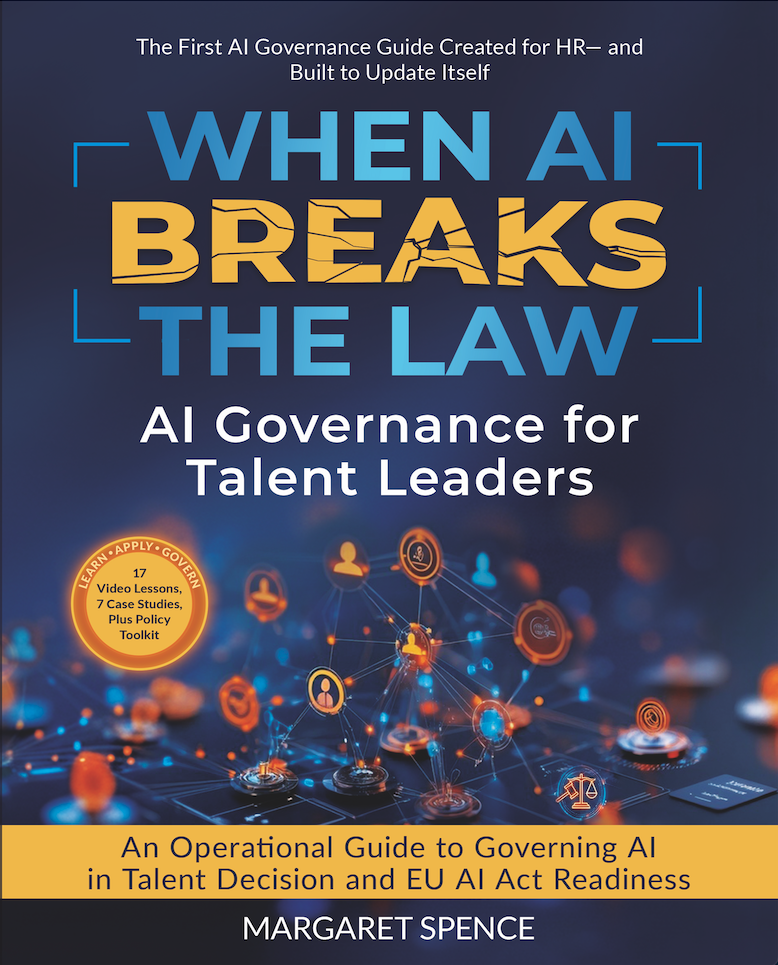
When AI Breaks the Law
The full case for why governance sits with HR, built from two decades inside workplace risk.
Read the book →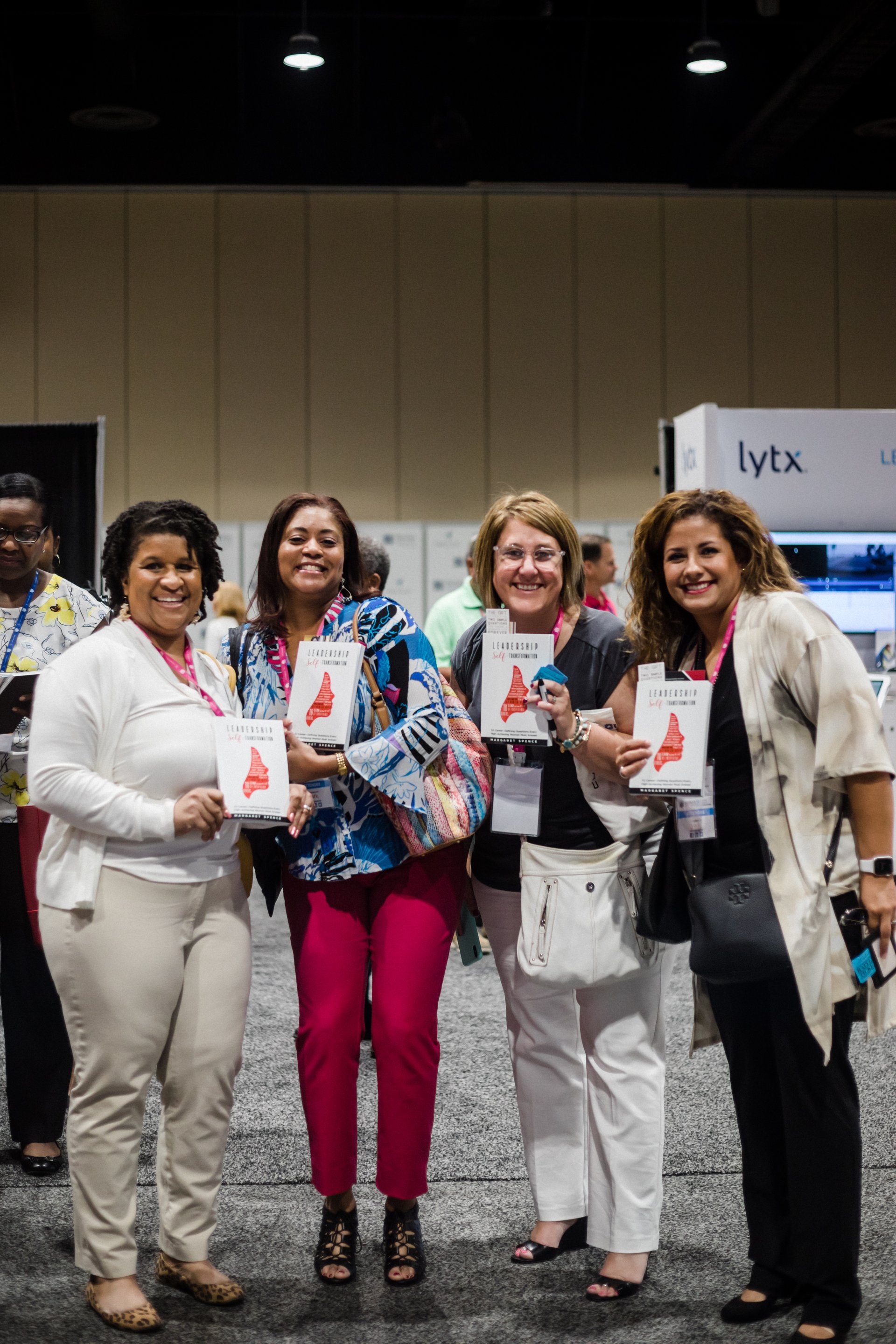
AI Governance at Work
The full platform, for organizations that need a built program, not just a framework to study.
See the platform →
AI Governance for HR
Weekly regulatory analysis and practical frameworks, published on Substack, free to read.
Subscribe free →
Margaret Spence Built Her Career Managing What Happens When People Decisions Go Wrong.
Former insurance risk executive. Two decades inside the rooms where the financial consequences of bad HR decisions get counted, including $495 million in settled workplace claims across Fortune 500 companies.
She now helps HR leaders govern AI before it becomes the next claim on that ledger.
Fast Answers
The shorter questions that come up once the big three are settled.
Is AI governance the same thing as AI ethics?
Who owns AI governance inside an HR organization?
Do we need AI governance if we only use vendor tools and did not build our own AI?
What is the first step to build an AI governance program?
Does AI governance apply to small and mid-size employers?
The Organizations That Build Governance Now Will Not Be The Ones Defending It Later.
Start with the course built for the HR leader who owns this, not the engineering team that ships it.